What To Do Before Wisdom Tooth Removal? Preparation Tips Before T...
Getting ready for wisdom teeth removal doesn’t have to be nerve-wracki...


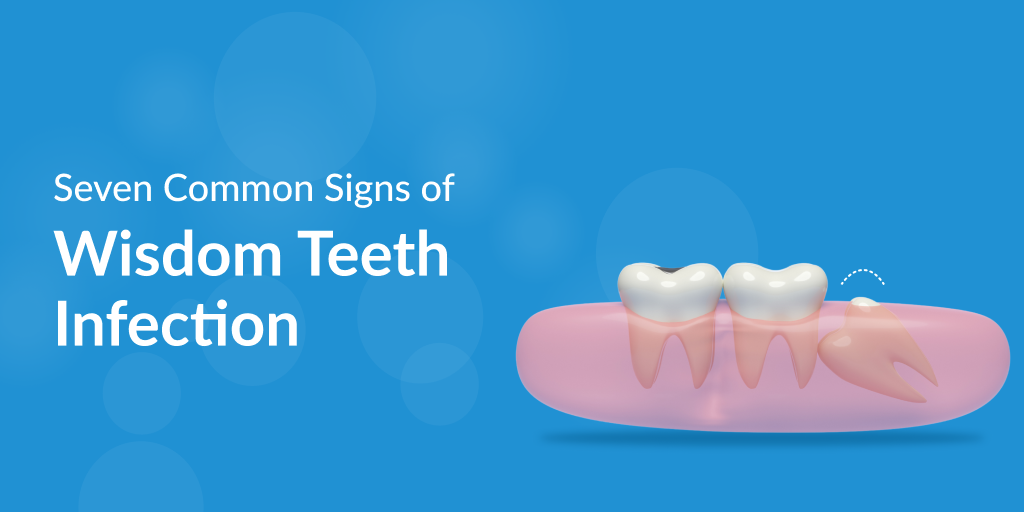
Wisdom teeth, the final set of molars that emerge in your late teens or early twenties, can often lead to complications if not monitored closely. Due to their position and the limited space in the mouth, they are prone to various issues, including infections. Recognizing the signs of wisdom teeth infection early is crucial for timely treatment and can prevent more serious health problems.
One of the primary signs of wisdom teeth infection is persistent pain in the back of the mouth that does not go away. This pain often intensifies as the infection worsens and can radiate towards the ear, jaw, or neck on the affected side.
Unlike the temporary discomfort that might accompany the normal eruption of wisdom teeth, pain from an infection is continuous and tends to increase in severity over time. If you notice that the pain becomes a constant presence in your daily life, it’s important to consult a dentist to rule out infection.
Another clear indicator of an infection is swelling around the gums where the wisdom tooth is coming in. This swelling can sometimes extend to the jaw and cheeks, making the area visibly puffed and tender to the touch.
Accompanying the swelling, you might also notice redness in the gums. The infected area often appears inflamed and feels warmer than other parts of the mouth. These symptoms suggest that the body is fighting an infection and that you need medical evaluation.
Infection from a wisdom tooth can lead to trismus, a condition where the muscles of the jaw tighten or spasm, limiting how much you can open your mouth. This symptom makes it uncomfortable to speak or eat and significantly affects your daily functioning.
If you find that your jaw movement is becoming increasingly restricted, it is a serious sign that the infection may be spreading beyond just the tooth and requires immediate dental attention.
The presence of pus or a foul taste in the mouth can indicate that an abscess has formed due to infection. Pus is a thick, yellowish or white fluid composed of bacteria, white blood cells, and dead tissue, signaling that your body is trying to fight off the infection.
The pus as well as the infection itself can cause a persistent unpleasant taste in the mouth. These symptoms are often more noticeable after pressing around the infected area or in the morning.
When your body is fighting an infection, it often reacts by raising its internal temperature, resulting in a fever. While a mild fever can sometimes accompany the normal eruption of wisdom teeth due to minor inflammation, a higher fever is usually a tell-tale sign of a significant infection.
If you experience a fever along with other symptoms related to your wisdom teeth, make a point to see a dentist promptly. A fever indicates that the infection might be affecting more than just the surrounding tissues and could be spreading to other parts of the body.
Another sign of wisdom teeth infection that many tend to overlook is swelling of the lymph nodes in the neck and jaw area. These lymph nodes can become tender and swollen when there is an infection in the mouth, as they are part of the body’s immune system response.
If you notice swelling or tenderness under your jaw or along your neck, and it coincides with other symptoms of wisdom teeth problems, it could be an indication of a more serious infection that requires immediate dental intervention.
Persistent bad breath, or halitosis, that does not go away despite regular brushing and flossing can also be a sign of an infected wisdom tooth. The ongoing infection produces a host of bacteria that contribute to bad breath.
This symptom is particularly important to note because it often persists over time and does not improve with standard oral hygiene practices. If you experience chronic bad breath along with any other symptoms mentioned, consider scheduling a dental exam to determine if your wisdom teeth are the cause.
It is essential to consult with a dentist if you experience any of the signs of wisdom teeth infection. Early detection and treatment could help stem the spread of infection and mitigate the risk of more serious complications. A dentist will provide a thorough dental examination and recommend the appropriate treatment.
Treatment options for infected wisdom teeth vary depending on the severity and specifics of the infection. Here are the most common approaches:
The choice of treatment depends on several factors, including your overall health, the extent of the infection, and the position and condition of the wisdom tooth. A dentist can assess these factors through physical examination and dental X-rays to recommend the most appropriate treatment plan.
The LA Dental Clinic team of dental professionals understands the challenges and discomforts associated with wisdom teeth infections. We offer a variety of treatment options tailored to each patient’s needs, including minimally invasive procedures for wisdom teeth removal.
Our experienced dental team is skilled in handling even the most complex cases with precision and care. We prioritize your comfort and health in our smooth and effective treatment process.
Preventing wisdom teeth infection begins with maintaining excellent oral hygiene. Regular brushing and flossing, along with routine dental checkups, can help manage the bacteria levels in your mouth and catch potential problems before they escalate. Additionally, make it a point to discuss the status of your wisdom teeth with your dentist during checkups to get help in assessing their development and checking whether they pose a potential risk for future infections.
Understanding the common signs of wisdom teeth infection will help you get timely treatment and maintain good oral health. If you suspect you may have a wisdom teeth infection, do not hesitate to seek professional dental advice.
Early intervention can prevent further complications and help maintain your oral and general health. Remember, when it comes to wisdom teeth issues, proactive dental care is your best defense.

LA Dental Clinic
3377 Wilshire Blvd #202
Los Angeles, CA, 90010
