A Step-By-Step Look At The Single Tooth Implant Procedure
Discussing a single tooth implant can uncover many questions. This pro...



After your implants are installed, the last thing you want to think about is going through the process once again. While studies indicate the rate of implant failures to be very low, and the likelihood of an issue occurring is low, it does happen and it’s important that you’re prepared should the problem arise. A replacement dental implant’s most frequently required if an implant directly fails after installation, but some problems can happen like gum tissue around the implant degenerating or the implant breaking off. Implant failure has nothing to do with the quality of the installation, but with the right steps taken by both you and your implant specialist, you can ensure the next implant procedure is a successful one.
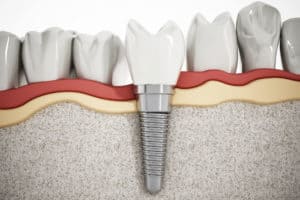
When you have a failed dental implant, the most important step you can take is to determine why the implant failed. With the assistance of your implant specialist, finding out the cause is often easily done, but familiarizing yourself with some of the common causes of failure is important. Here are the 5 most common causes of implant failures.
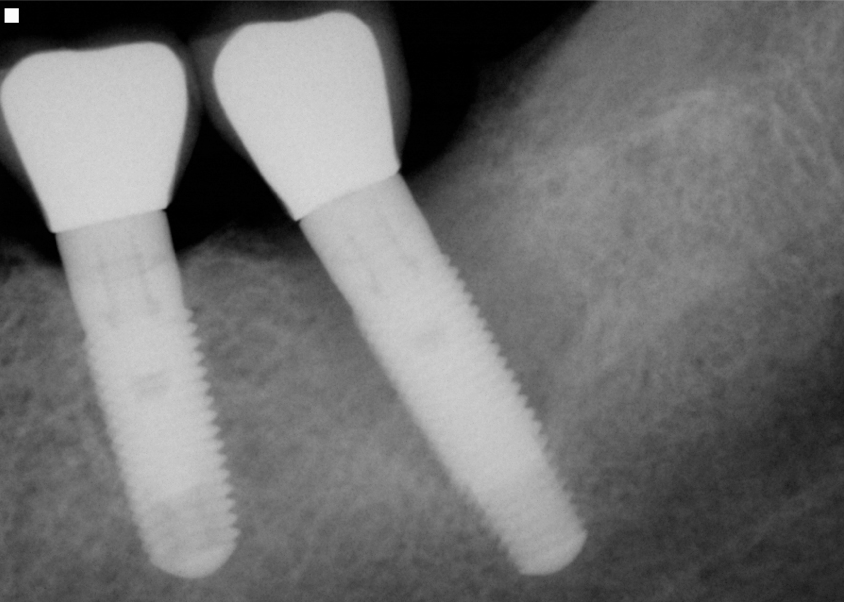
3.Cement irritation: Crestal cauterization of bone can occur when dental cement breaks away from the implant site and causes prolonged irritation to the bone. When the cement causes irritation that’s prolonged and excessive, it will result in bone loss that may not become apparent until it’s excessive. Loss of bone will result in the implant becoming loose or falling out. Generally, bone loss from cement displacement will occur within 1-2 years, but in some cases, it’ll take longer to appear.
When a problem occurs with your implants, it’s important that you visit an expert right away. Some people avoid immediate care because they lack the financial resources at the time or experience a similar issue, but there’re many solutions available to make the care you need attainable, and the earlier the implant issue is addressed, the more likely a solution will be.
There are generally 3 outcomes seen with implant failure. As mentioned, the earlier you seek care, the better your chances are for success, but this isn’t always the case. In rare cases, a failed implant may need removal without the option for replacement.
1. Immediate replacement: In certain cases, a failed implant could be replaced right away, without any additional steps needed. An immediate replacement’s possible when there’s not any bone loss present & the jaw is not damaged from the failed implant. Immediately upon removal, a new implant that’s larger in diameter is used to create a secure hold. Depending on the health of the socket and its ability to hold threads and groves, replacement surgery can occur anywhere from immediately after removal to 1-year. Sufficient bone must be present to support the new implant, and an implant that’s larger in diameter must be used to create a secure hold.
2.Future replacement: If replacement is possible, but bone loss or jaw damage is present, healing of the socket will need to occur before the replacement can be made. The length of time needed for healing is dependent upon the amount of bone loss present. For moderate bone loss, the healing period ranges from around 3-6 months. For severe bone loss, 1-year is generally required before the new implant surgery. If an infection is present, antibiotics and additional medications needed to heal the area are used during the healing period.

3.Removal without replacement: While the most unlikely to occur, in some cases, an implant cannot be replaced, but instead an alternative replacement method such as a bridge, must be used to replace the missing tooth or teeth. If the implant fails since it couldn’t bone with the bone, also referred to as integrate, removal is simple & slightly invasive, but a new implant cannot be used as it’ll yield the same results. If Peri-implantitis is severe, implant replacement is not possible for two reasons. For one, Peri-implantitis generally causes severe bone loss that cannot be healed in the long term. Secondly, patients with Peri-implantitis are likely to experience the same issues with any implants they have installed in the future, thus replacement would be pointless.
Implant failure is not likely, and many more people experience success than failure, but preparation is key. Back teeth, including molars and second molars, are more likely to experience failure and it’s seen in 5-15% of patients. The back of the mouth is harder to work within, especially the upper jaw, which makes stabilization and perfect placement difficult unless you use a highly skilled dental expert like Dr. Nasiry. The success of your dental implants is largely due to installation skill, quality of the implants, the quantity of the jaw bone, the health of the bone, and your at-home oral care.

LA Dental Clinic
3377 Wilshire Blvd #202
Los Angeles, CA, 90010
