Dental Bridges in Los Angeles, CA
Missing teeth can have a terrible effect on both a patient’s personal ...


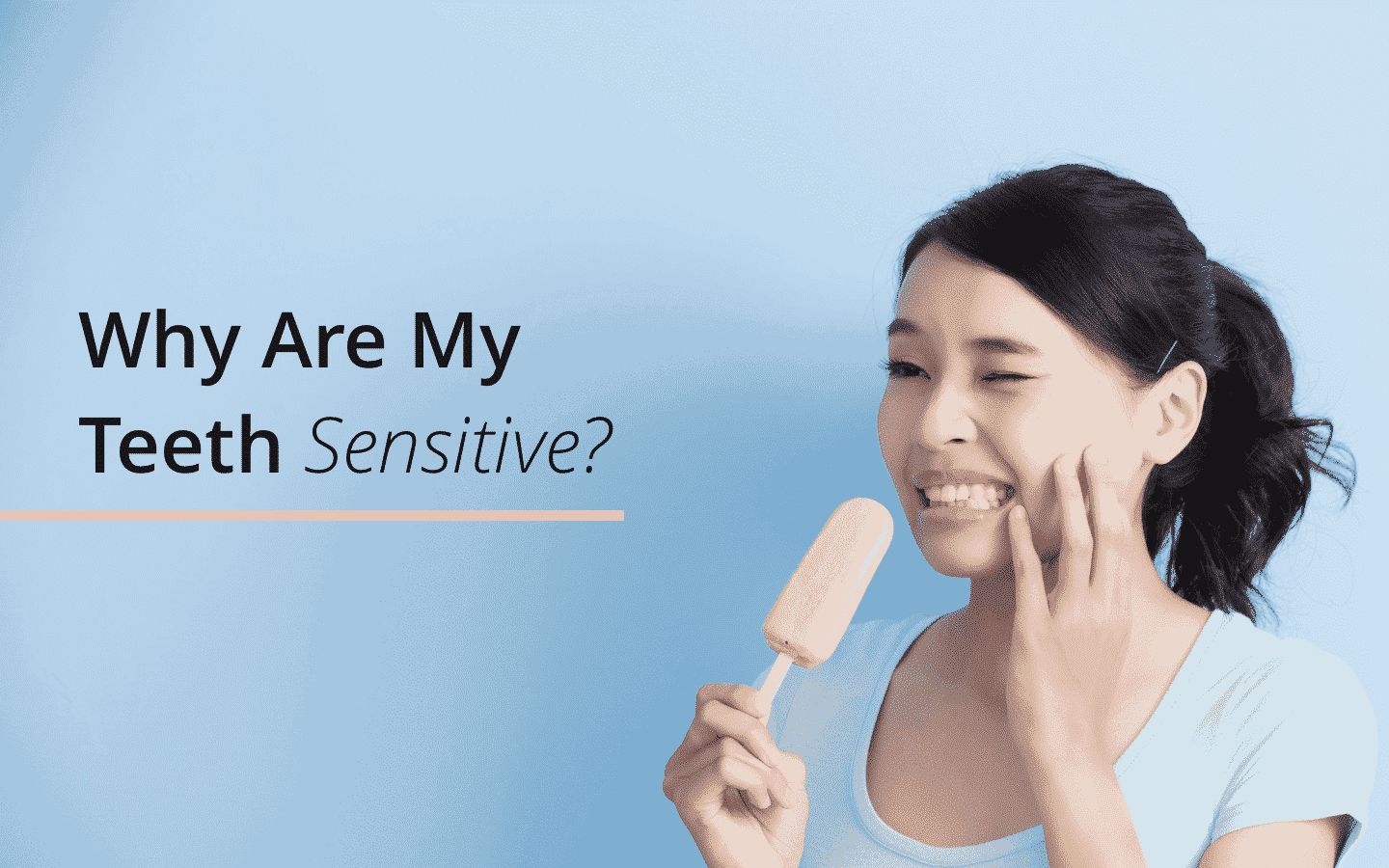
Do you experience a sharp pain when sipping coffee, cold beverage, or when brushing and flossing your teeth? This may be a sign of a common problem called “tooth sensitivity.”
According to the study of Academy of General Dentistry, nearly 45 million Americans experience tooth sensitivity. Tooth sensitivity is caused by gradual exposure of the softer part of the tooth called dentine. When the dentine loses its protective layer, your tooth becomes sensitive to hot, cold, and acidic foods as they arouse the nerves and cells inside the tooth. This stimulation may cause hypersensitivity and pain when you chew, drink, or breathe through your mouth.
If you wonder why you are experiencing tooth sensitivity, the information below can help you find the cause and how you can treat it.

Sometimes, brushing with too much force, more frequently, or using hard-bristled brush can wear down your tooth enamel resulting in tooth sensitivity. Brushing your teeth in the wrong way can also lead to gum recession that may add to your dental problem.
The solution to the brushing problem lies in switching to a soft-bristled brush and a proper brushing technique.
 Cracked silver filling causing Sensitivity and toothache
A crack, running from the upper surface down towards the root, can cause hypersensitivity and discomfort to your teeth. Your dentist may suggest a course of treatment after evaluating your teeth.
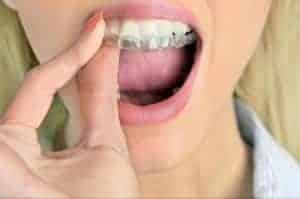
Teeth grinding involves clenching and grinding the teeth together. This habit may recede the protective covering of enamel and make your teeth sensitive. The possible way to get rid of this habit is to consult your dentist and get a mouthguard to be worn at night.
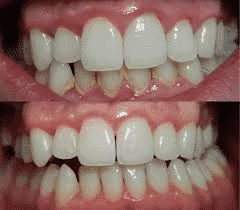
Receding gums due to gingivitis and periodontal disease causing pain and sensitivity
Gum recession occurs when the gum tissue surrounding your tooth pulls back, exposing the roots of the tooth. Roots do not have a protective covering which makes them vulnerable to sensitivity.
Gums usually recede due to vigorous brushing habit, insufficient dental care, or periodontal disease. If you think your gums are receding, you should visit your dental care practitioner to repair your gums and prevent further damage.

Tooth sensitivity can be also caused by particular dental treatments. These may include orthodontic treatments, tooth restoration like root canal, teeth whitening, or tooth extraction.
Dental treatment can make your teeth sensitive for a short period of time. If your sensitivity does not go after some time, you should visit your dentists as it might be an indication of infection.
In this article, we covered that brushing too hard, cracked tooth, teeth grinding, receding gums, and some dental treatments may lead to tooth sensitivity. Let’s explore the solutions.
Generally, your tooth sensitivity can be resolved with a proper brushing technique and using toothpaste that is designed for sensitive teeth. Dentists recommend fluoride toothpastes as it helps teeth to build stronger enamel, teeth’s natural protective coating.
It is best to visit your dentist to discuss your sensitivity problem in order to determine the underlying cause. Your dentist can identify the correct location of sensitivity and suggest the best course of action. For example, a dentist may apply fluoride gel to strengthen the tooth enamel and reduce the sensation.
The sharp pain from tooth sensitivity can keep you from enjoying your daily activities. We’re here to help! If your sensitivity is extreme and has been persistent for some time, contact us and we’ll be able to help address tooth sensitivity.

LA Dental Clinic
3377 Wilshire Blvd #202
Los Angeles, CA, 90010
