Gum Surgery
There may be many reasons for why a person may seek out gum surgery an...

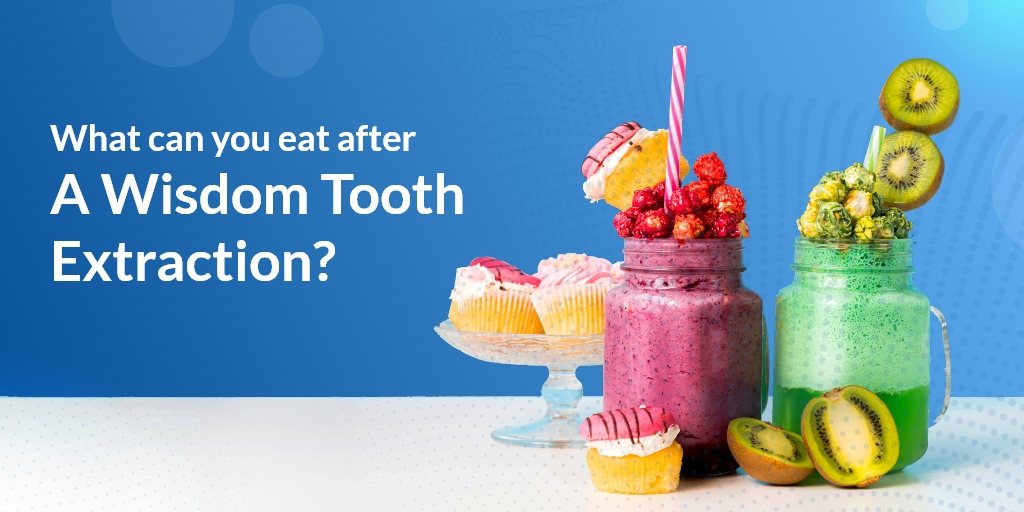
The topic of what to eat after wisdom tooth extraction can be a question that many people forget to ask before they leave the dentist office. Did you know that, during the recovery period after wisdom teeth removal, soft foods are recommended while chewy or hard foods should be avoided?
The following is some advice on which foods to stock up on and which ones to steer clear of. If your dentist determines that your wisdom teeth are impacted or growing in at awkward angles, they will often recommend their removal and advise you to follow a healthy diet consisting of soft foods while you heal. The specific timeline and recommendations may vary depending on your dentist’s instructions and other factors.
Below is a list – or general guide – as to what to eat at different stages of your recovery. The important question of when you can return to your regular diet will also be answered.
Why is it important to maintain good self-care and consume soft, nutritious foods after having your wisdom teeth removed?
While the procedure itself is common, it’s important to promote healing by taking these steps:
This helps prevent infections or complications that could arise if food or bacteria became trapped in the extraction area.
What can you eat after wisdom teeth removal? For the first 3 to 5 days, it’s usually recommended to consume liquids and soft, mushy foods including the following
As your healing progresses, you can gradually introduce more regular, semi-soft foods such as the following:
Remember to do the following, as well:
For the first week or longer, it’s crucial to avoid foods that may irritate the extraction site or lead to complications. Stay away from the following:
For 2 to 4 weeks, it’s best to avoid certain snack foods that can get lodged in the wound, which would hinder healing. Avoid the following:
For the first 3 to 5 days, it’s advised to avoid using a straw and spitting. These actions create suction in your mouth, increasing the risk of developing a condition called dry socket. What’s that?
Dry socket occurs when the protective blood clot in the extraction site becomes dislodged. This exposes your bones and nerves to air and impedes healing.
Smoking should be avoided for at least ten days as nicotine can hinder healing and prolong recovery time. Chewing tobacco should be avoided for at least a week.
One week after surgery you can start rinsing your extraction sites to remove debris and food particles. Your dentist may provide a syringe for this purpose. But remember… It’s important not to rinse vigorously before the seven-day mark to avoid dislodging the healing blood clot.
When can you start eating normal food after wisdom teeth removal?
Many patients find that they can consume their regular diet within a week of having their wisdom teeth removed.
Don’t forget:
If you are experiencing jaw pain or swelling, red or swollen gums, or bad breath, it may be necessary to book an appointment for wisdom teeth removal in Los Angeles. But to whom can you turn? Contact LA Dental Clinic today. Call 213-385-9710 to book an appointment or a virtual consultation. You may choose to use our convenient online form, instead, to get in touch with one of our representatives.
LA Dental Clinic
3377 Wilshire Blvd #202
Los Angeles, CA, 90010
